









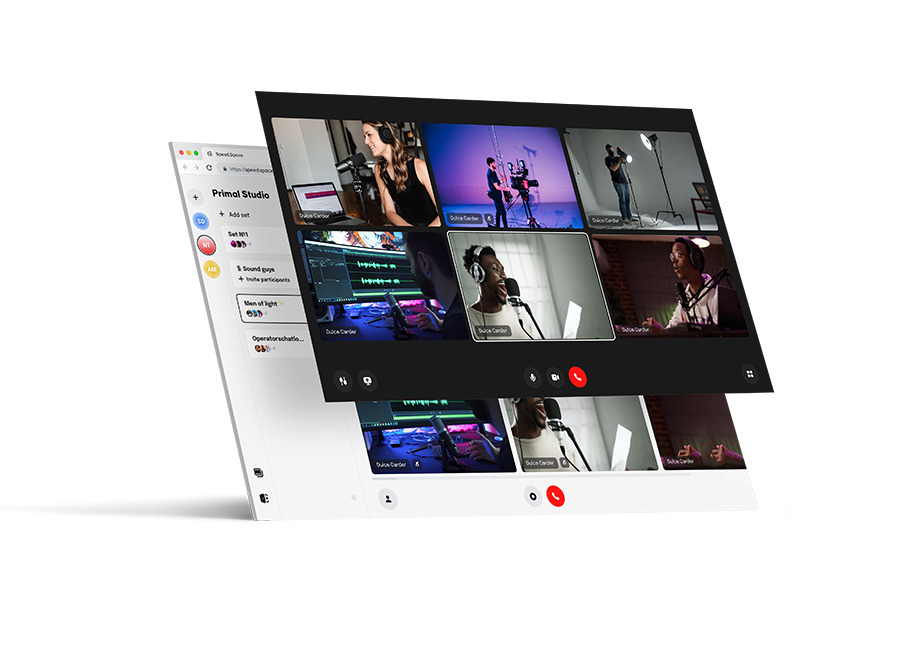

The sports industry has undergone a fundamental shift in how fans watch, interact with, and discover the games they love. Traditional television broadcasts, while still relevant, are no longer the primary gateway to audiences. Digital platforms now allow supporters to watch live competitions from almost anywhere in the world, opening new possibilities for leagues looking to grow beyond their existing fan bases.
For sports leagues, this shift represents a significant opportunity. Sports live streaming is no longer just a convenience feature; it has become a core strategic tool for expanding audiences, increasing sponsorship value, and driving long-term commercial growth.
Understanding how live streaming supports these goals helps explain why forward-thinking leagues are making it a central part of their digital strategy.
The Evolution of Sports Broadcasting
Sports broadcasting has changed dramatically over the past two decades. For much of that time, television networks controlled how and when audiences could access live sport. Leagues were largely dependent on broadcast deals to reach their fans, with limited ability to connect directly with viewers.
The rise of digital technology changed this model entirely. Online platforms, mobile apps, and social media channels now allow leagues to stream matches directly to audiences across multiple devices like smartphones, tablets, smart TVs, and laptops without relying solely on traditional broadcasters.
This shift gives leagues greater control over their content, their audience relationships, and ultimately, their revenue potential.
Expanding Global Audience Reach
One of the most significant advantages of sports live streaming for leagues is the ability to reach audiences that would otherwise be inaccessible. A match taking place in one region can now be watched by fans in different countries, time zones, and markets simultaneously.
This global reach is particularly valuable for leagues that are growing their profile or entering new markets. Rather than waiting for a broadcaster to pick up rights in each territory, leagues can use streaming to establish a presence directly with international audiences.
Leagues often work with a sports marketing agency to ensure that streamed content reaches the right audiences through targeted digital campaigns, social media promotion, and paid advertising strategies. These efforts maximize the visibility of each broadcast and help convert casual viewers into loyal, long-term fans.
Growing the Audience That Drives Commercial Value
For leagues, the audience size is everything. A larger, more engaged audience means greater value for sponsors, stronger ticket demand, and increased media rights to appeal. Sports live streaming directly supports this growth by removing the barriers that previously prevented fans from following the sport.
Fans who cannot attend in person due to geography, cost, or scheduling can still follow every match through a live stream. This accessibility increases the total number of engaged supporters a league can claim, which in turn strengthens its commercial proposition.
Interactive features built into modern streaming platforms also deepen engagement beyond simple viewership. These include:
- Live chat and viewer discussions during matches
- Real-time statistics and match updates
- Instant replays and highlight clips
- Social media sharing tools
- Interactive polls and fan reactions
Each of these touchpoints creates additional opportunities for leagues to build relationships with their audience.
Supporting Digital Marketing Campaigns
Live streaming does not operate in isolation. For leagues, it forms the backbone of a broader digital marketing strategy that extends well beyond the final whistle.
Content captured during live broadcasts can be repurposed across multiple formats and channels, extending the league’s presence between matchdays. A sports video production company plays a key role in ensuring this footage is captured to a high professional standard and can be adapted for different uses.
Common content formats produced from live broadcasts include:
- Match highlights and recap videos
- Player interviews and post match analysis
- Short form clips for social media platforms
- Promotional content for upcoming fixtures
- Season review and documentary features
This ongoing flow of content keeps the league visible and relevant throughout the season, maintaining fan interest and attracting new audiences through organic and paid digital channels.
Strengthening Sponsorship and Commercial Partnerships
Sponsorship is a primary revenue stream for most sports leagues, and the value of a sponsorship deal is directly tied to audience reach and engagement. Live streaming increases both.
During streamed events, sponsors can be integrated through on-screen graphics, branded segments, and promotional messaging. Unlike traditional broadcasts where ad slots are controlled by the network, digital streaming gives leagues more flexibility in how they package and present sponsor content.
As the league’s digital audience grows, so does the commercial value it can offer to sponsors. Larger viewership figures, higher engagement rates, and access to new global markets all make a compelling case for brands looking to invest in sports partnerships.
Marketing teams within a sports marketing agency often coordinate these sponsorship integrations, ensuring they are positioned effectively within the broadcast and aligned with broader campaign objectives.
Maintaining Professional Broadcast Standards
For streaming to deliver on its potential, production quality must meet audience expectations. Viewers who are accustomed to polished broadcast content will disengage from streams that feel amateurish or unreliable.
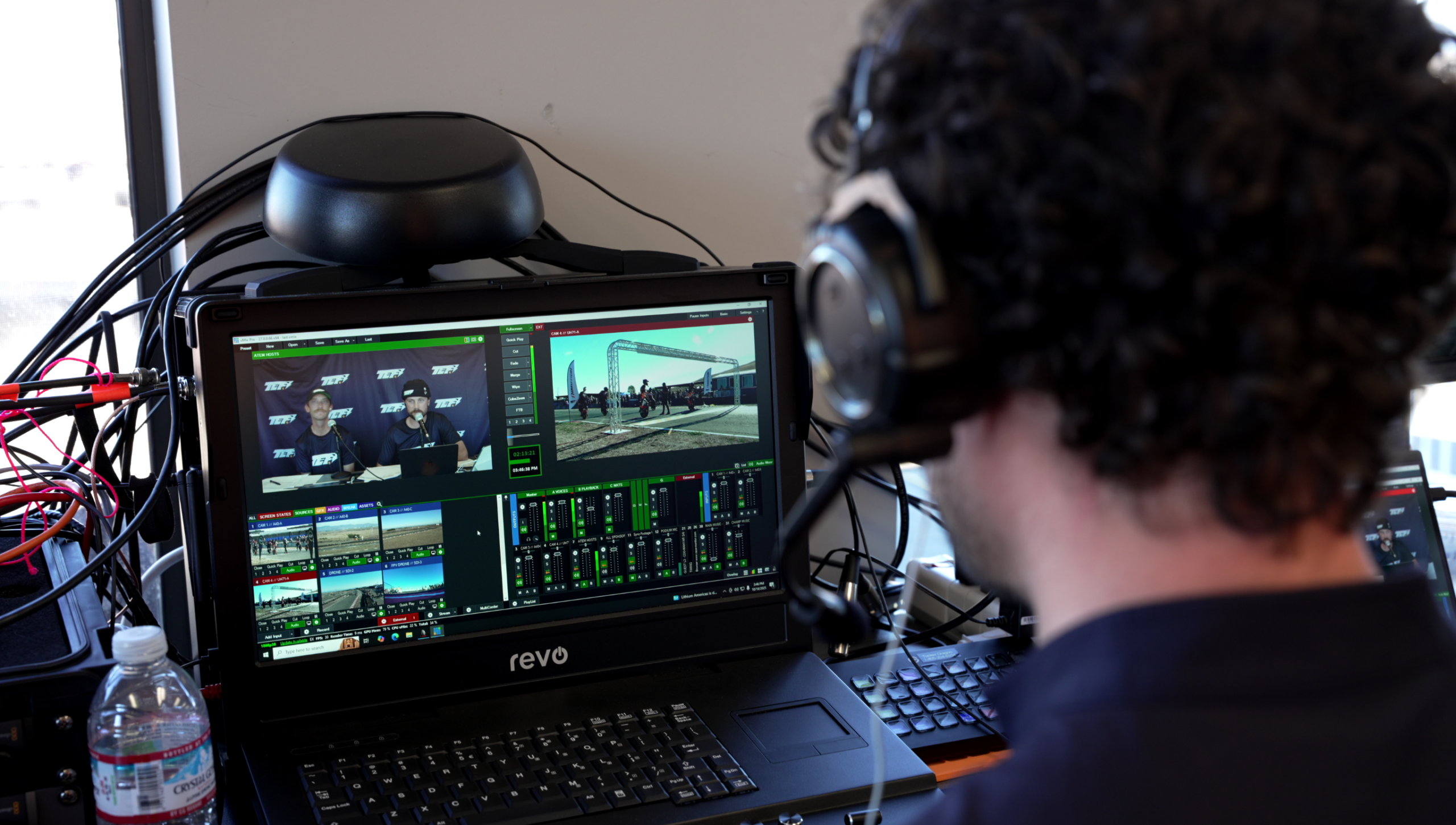
A sports video production company manages the technical elements that make a live broadcast professional and consistent. This includes:
- Multiple camera angles to capture key moments and atmosphere
- High-quality audio for commentary, crowd noise, and interviews
- Reliable streaming infrastructure to prevent interruptions
- Real-time graphics for scores, statistics, and sponsorship integration
- Post-event editing for highlights, replays, and archive content
Professional production standards protect the league’s reputation and ensure that every broadcast reflects positively on the sport and its brand.
The Future of League Broadcasting
The importance of sports live streaming for leagues will only increase as digital technology continues to develop. Improvements in streaming infrastructure, video quality, and platform capabilities will make broadcasts more immersive and accessible than ever before.
Emerging technologies such as augmented reality, advanced analytics, and personalized viewing experiences may also reshape how leagues connect with their audiences. Leagues that invest in streaming and digital marketing now will be better positioned to take advantage of these developments as they emerge.
Conclusion
Sports live streaming has become one of the most powerful tools available to leagues seeking to grow their audience and strengthen their commercial position. By providing real-time access to competitions across digital platforms, leagues can engage fans wherever they are, attract new viewers from previously unreachable markets, and create the kind of measurable audience growth that drives sponsorship value and ticket demand.
Achieving this requires collaboration between specialists. A sports video production company ensures that live content is broadcast to a professional standard, while a sports marketing agency develops and executes the digital campaigns that put that content in front of the right audiences.
Together, these services help leagues build a stronger digital presence, grow their fan base, and unlock greater commercial potential. Contact the team at Revo Studio to find out how we can support your league’s live streaming and digital marketing strategy.
1. What is sports live streaming?
Sports live streaming refers to broadcasting sporting events online in real time, allowing fans to watch matches through websites, apps, and digital platforms without relying on traditional television networks.
2. How does live streaming help sports leagues grow their audience?
Live streaming removes geographic and access barriers, allowing leagues to reach fans in new markets and territories. A larger, more engaged audience increases the league’s commercial value and appeal to sponsors.
3. Why is audience growth important for sports leagues?
A growing audience directly impacts a league’s revenue potential. Larger viewership figures attract bigger sponsorship deals, drive ticket sales, and increase the value of media rights agreements.
4. What role does a sports marketing agency play in live streaming?
A sports marketing agency promotes live-streamed events, manages digital campaigns, and helps leagues connect with target audiences through paid, organic, and social media channels.
5. How does a sports video production company support a league broadcast?
A sports video production company provides professional filming, live editing, streaming infrastructure, and post-event content production to ensure broadcasts meet the quality standards audiences expect.